How Long Do Cannabis Seeds Take to Grow? Timeline Explained for Beginners
Growing cannabis is a process that rewards patience, consistency, and the right starting point. One of the most common questions new growers ask is how long cannabis seeds actually take to grow from planting to harvest. The answer is not a single fixed number, because the timeline depends on genetics, growing method, and environmental conditions.
If you are just getting started, understanding each stage of growth will help you avoid mistakes and set realistic expectations. High-quality genetics from trusted breeders Ministry of Cannabis can also make a noticeable difference in how predictable and smooth your growing timeline becomes.
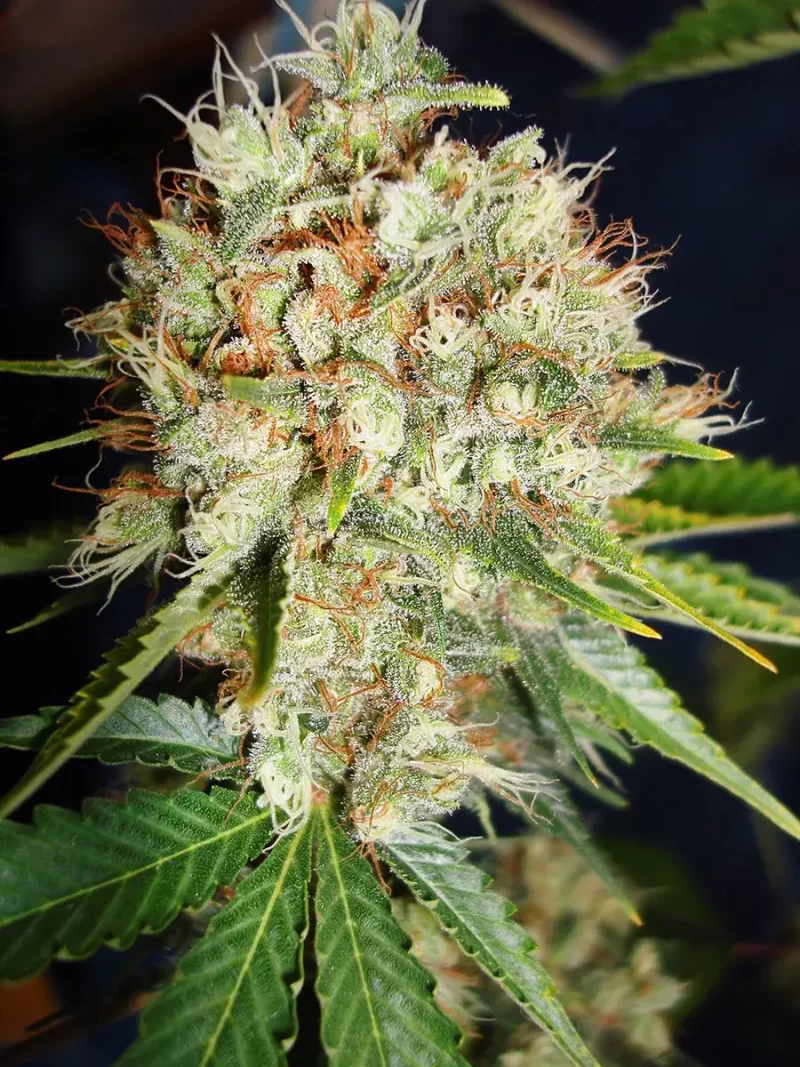
This guide breaks down the full lifecycle of cannabis seeds in a simple, beginner-friendly way so you know exactly what to expect from start to finish.
The Full Cannabis Growth Timeline Overview
On average, cannabis plants take anywhere from 8 weeks to 6 months to go from seed to harvest. The wide range exists because different types of marijuana seeds grow at different speeds.
Autoflowering cannabis seeds are the fastest option, typically completing their entire lifecycle in about 8 to 12 weeks. These are often recommended for beginners because they require less maintenance and automatically transition through growth stages.
Photoperiod seeds, which are the most common type of cannabis seeds, take longer—usually between 3 and 5 months depending on how long the vegetative stage is extended.
CBD seeds follow similar timelines but are bred with a focus on cannabinoid balance rather than speed alone. Premium genetics from breeders like Ministry of Cannabis often provide more consistent flowering times, making planning much easier.
To understand where all this time goes, it helps to break the process into individual stages.
Germination Stage: The First Step in Life
The journey begins when cannabis seeds are exposed to moisture and warmth, triggering germination. This stage typically lasts between 1 and 7 days.
During germination, the seed absorbs water, activates its internal enzymes, and eventually splits open to release a small taproot. This root is the foundation of the entire plant.
The quality of your seeds matters greatly here. Reliable sources like Ministry of Cannabis ensure high germination rates, meaning more of your cannabis seeds successfully sprout and move on to the next stage.
Ideal conditions during germination include warmth, darkness, and consistent moisture. Too much water or unstable temperatures can slow or even stop the process.
Seedling Stage: Building the Foundation
Once the taproot emerges and the plant breaks through the surface, it enters the seedling stage. This phase usually lasts around 2 to 3 weeks.
At this point, the plant is small and delicate, producing its first sets of leaves. Growth may seem slow, but this is when the root system is developing underground.
Healthy genetics from Ministry of Cannabis can make seedlings more resilient, reducing the risk of early-stage failure.
During this stage, the plant needs gentle care. Light exposure should be soft but consistent, and watering should be controlled to avoid drowning the fragile roots. Many beginners make the mistake of overfeeding seedlings, but at this stage, cannabis seeds rely mostly on their internal nutrient reserves.
Vegetative Stage: Rapid Growth Begins
The vegetative stage is where cannabis plants start to grow quickly. This phase typically lasts between 3 and 8 weeks, although photoperiod plants can remain in veg for longer if the grower chooses.
This stage is all about structure. The plant develops stems, branches, and a strong root system that will support bud production later.
If you are using high-quality marijuana seeds from Ministry of Cannabis, you’ll often notice more stable growth patterns and stronger resistance to stress during this phase.
Lighting plays a critical role here. Indoor growers typically use 18 hours of light per day to keep the plant in vegetative mode. Nutrient demand also increases, especially nitrogen, which supports leaf and stem development.
Autoflowering seeds behave differently because they do not rely on light cycles. Instead, they automatically transition to the next stage after a few weeks, which shortens the overall timeline significantly.
Flowering Stage: Bud Production Begins
The flowering stage is the most important part of the cannabis lifecycle for most growers because this is when buds begin to form.
For photoperiod plants, flowering is triggered by changing the light cycle to 12 hours of light and 12 hours of darkness. Once this shift happens, the plant focuses entirely on producing flowers.
This stage usually lasts between 6 and 12 weeks depending on the strain. Genetics play a major role here, and breeders like Ministry of Cannabis develop strains with predictable flowering times, which helps growers plan harvests more accurately.
Autoflowering cannabis seeds enter flowering automatically without any change in light schedule. This is one of the reasons they are popular among beginners looking for a faster turnaround.
During flowering, nutrient needs change. Plants require less nitrogen and more phosphorus and potassium to support bud development. Proper care during this stage directly affects final yield and quality.
Harvest Timing: Knowing When to Finish
Knowing when to harvest is just as important as knowing how long cannabis seeds take to grow.
Most growers monitor trichomes, the tiny resin glands on the buds. When these shift from clear to milky with some amber tones, the plant is usually at peak maturity.
Harvesting too early can reduce potency and flavor, while harvesting too late can change the effects of the final product.
Well-bred strains from Ministry of Cannabis often have more consistent maturation patterns, making it easier for growers to identify the correct harvest window.
Drying and Curing: Completing the Process
After harvest, cannabis plants still need to be properly dried and cured. This stage is often overlooked by beginners but is essential for quality.
Drying typically takes 7 to 14 days in a controlled environment with low humidity and good airflow. After drying, buds are placed in jars for curing, which can take another 2 to 4 weeks.
This process enhances flavor, smoothness, and overall potency. Even the best cannabis seeds cannot reach their full potential without proper curing.
Autoflowering vs Photoperiod Timeline Differences
One of the biggest factors influencing how long cannabis seeds take to grow is the type of genetics you choose.
Autoflowering seeds complete their full lifecycle in about 8 to 12 weeks. They are compact, fast, and beginner-friendly.
Photoperiod seeds take longer but offer greater control over plant size and yield. Growers can extend the vegetative stage to produce larger plants before triggering flowering.
CBD seeds can fall into either category depending on how they are bred. Premium options from Ministry of Cannabis often combine stability with predictable timelines, which is especially helpful for planning multiple grows per year.
Factors That Influence Growth Speed
Even with good genetics, several environmental factors affect how long cannabis seeds take to grow.
Light intensity is one of the most important. Strong, consistent lighting encourages faster and healthier growth.
Temperature and humidity also play a major role. Cannabis plants grow best in stable environments without sudden fluctuations.
Watering habits matter too. Overwatering is one of the most common beginner mistakes and can significantly slow development.
Finally, plant stress from pests or nutrient imbalances can extend the overall timeline.
Indoor vs Outdoor Growing Timelines
Indoor growing gives you full control over conditions, which often results in faster and more predictable growth.
Outdoor growing depends on natural seasons, so plants usually follow a longer schedule. Typically, outdoor cannabis is planted in spring and harvested in autumn.
Autoflowering seeds are especially useful outdoors because they are not dependent on seasonal light changes and can complete growth faster.
Beginner Tips for Faster and Healthier Growth
If you want to optimize your cannabis grow timeline, start with high-quality genetics. Seeds from Ministry of Cannabis are bred for consistency, which reduces delays caused by weak or unstable plants.
Maintain stable environmental conditions throughout the grow cycle.
Avoid overfeeding or overwatering, especially during early stages.
Use appropriate lighting schedules based on whether you are growing autoflowering or photoperiod cannabis seeds.
Most importantly, avoid rushing the process. Healthy growth always leads to better results than fast but stressed plants.
Final Thoughts
So how long do cannabis seeds take to grow? The answer depends on genetics and growing style, but most plants take between 2 and 5 months from seed to harvest.
Autoflowering cannabis seeds offer speed and simplicity, while photoperiod strains provide more control and potentially larger yields. CBD seeds offer flexibility depending on your goals.
Choosing reliable genetics from breeders like Ministry of Cannabis helps reduce uncertainty and makes the entire timeline more predictable from start to finish.
When you understand each stage of growth and give your plants the right conditions, the process becomes much smoother—and the final results are always worth the wait.
Comments
Post a Comment